Table of Contents
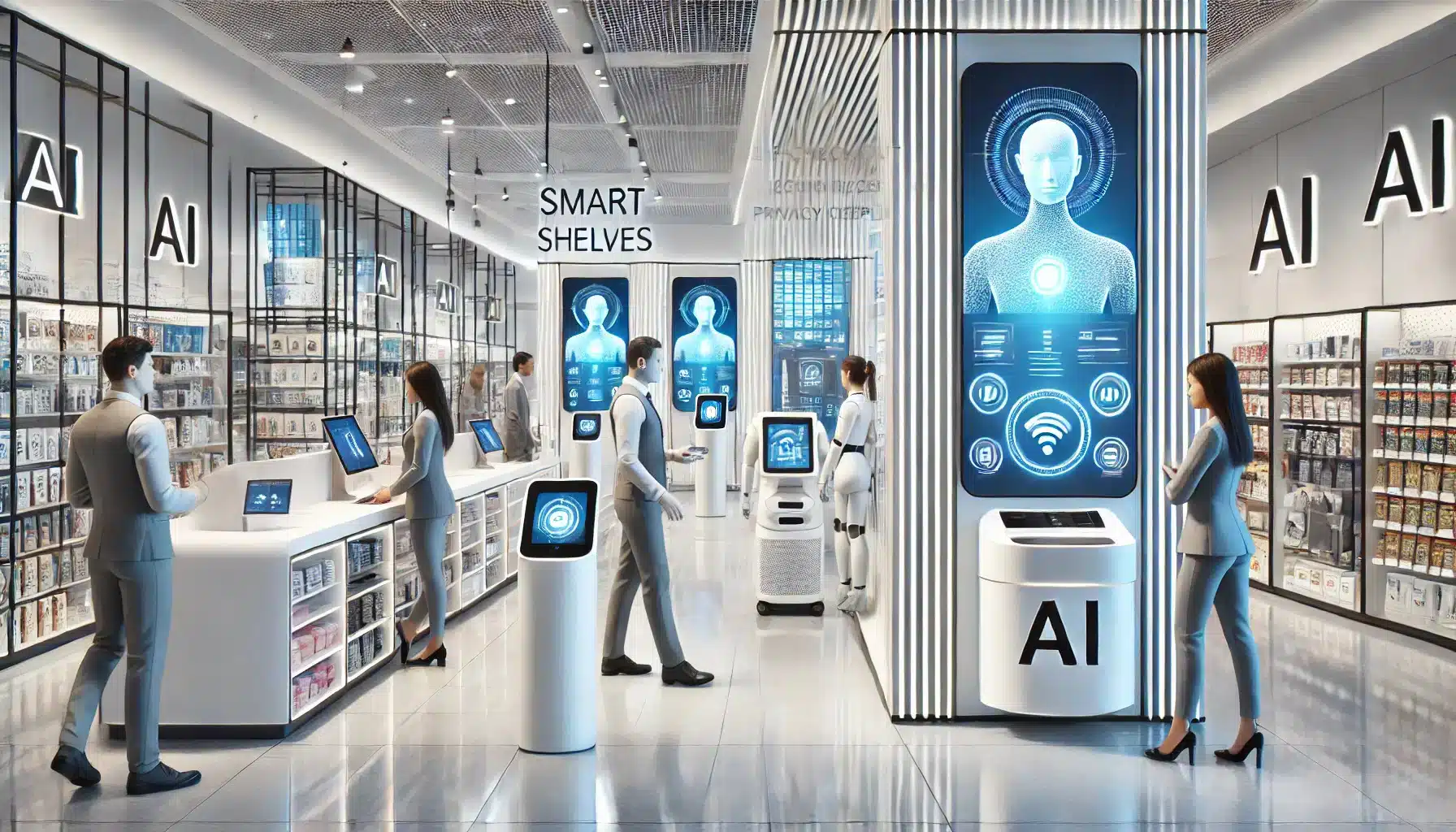
Big-name retailers are moving decisively toward agentic AI-powered commerce, even if it means giving up some control over customer relationships and valuable data. The shift marks a pivotal moment as Retailers explore AI-driven strategies for in-store and online retail, redefining how shoppers discover, evaluate, and buy products.
Retail’s Growing Embrace of AI Commerce Platforms
In the opening weeks of 2026, several major retailers accelerated their push into AI-led shopping experiences. Companies like Etsy, Target, and Walmart have expanded their product offerings onto third-party AI platforms, partnering with tools such as Google’s Gemini and Microsoft’s Copilot. These collaborations follow earlier integrations with OpenAI’s ChatGPT and allow consumers to browse and purchase products directly within conversational AI interfaces.
At the same time, some retailers are building their own AI ecosystems. Amazon and Walmart, for instance, continue to invest heavily in proprietary assistants—Rufus and Sparky—to shape how customers interact with their brands without relying entirely on external platforms.
A Turning Point for Direct-to-Consumer Engagement
Industry experts see agentic AI as a potential game-changer for retail engagement. The technology is beginning to blur the traditional boundaries between discovery, decision-making, and checkout, compressing what was once a multi-step journey into a single interaction.
Marketing professor Kartik Hosanagar of the Wharton School believes the impact could rival earlier digital revolutions. In his view, AI-driven commerce may disrupt retail in much the same way the internet once did, fundamentally altering how power and influence are distributed across the industry.
Where Shoppers Are, Retailers Will Follow
One of the biggest advantages of partnering with AI platforms is reach. By integrating with tools like ChatGPT or Gemini, retailers can connect with consumers wherever they happen to be—on their phones, at home, or even inside physical stores.
This shift is already visible in traffic data. Adobe’s 2025 Holiday Shopping report showed a dramatic surge in AI-referred visits to U.S. e-commerce sites, with AI-driven traffic rising more than sevenfold year over year in November 2025. Cyber Monday alone saw a massive spike in visits originating from AI tools.
According to retail strategy experts, this trend is likely to accelerate. As AI becomes more capable and more trusted, shoppers are expected to rely on it for a broader range of purchasing decisions, deepening engagement but also changing who controls the customer relationship.
The Trade-Off: Reach Versus Control
Despite the upside, meeting customers on AI platforms comes with serious trade-offs. Retailers risk losing direct access to behavioral data when discovery, comparison, and purchasing occur outside their own websites or apps. That data—once a cornerstone of personalization and loyalty strategies—may never fully make its way back to the brand.
This concern is shared across the industry. A significant majority of retail executives now believe that generative AI could weaken brand loyalty within the next few years. When AI agents become the primary interface, they—not the retailer—shape how products are presented and compared.
As Hosanagar points out, control over the AI agent increasingly means control over the customer. When the agent owns the interaction, the retailer’s influence diminishes.
Big Tech’s Expanding Role in Commerce
Technology companies are moving quickly to solidify their place at the center of this new retail model. Google CEO Sundar Pichai recently outlined new commerce capabilities for Gemini, describing a system that supports customers from initial product discovery through final purchase.
While Google emphasizes collaboration with retailers, some analysts remain cautious. Owning data across discovery, decision, and transaction stages gives platforms an unprecedented level of insight. Even when some data is shared back, missing context can leave retailers with an incomplete picture of their customers’ motivations and preferences.
When the Brand Becomes Invisible
One of the biggest risks of agentic AI commerce is the erosion of brand experience. Features like instant checkout can absorb the entire shopping journey into a single AI interface. If consumers research, compare, and buy without ever visiting a retailer’s site, the brand itself fades into the background.
In that scenario, retailers risk being reduced to logistics providers—handling fulfillment while AI platforms own the relationship. This possibility explains why Amazon has resisted selling directly through third-party AI tools, instead doubling down on its own generative AI assistant, Alexa+, to keep shoppers within its ecosystem.
An Inevitable Shift?
Even for cautious retailers, avoiding AI commerce altogether may not be realistic. When OpenAI introduced Instant Checkout on ChatGPT, it suggested that enabling the feature could influence how merchants appear in search rankings. Uploading product catalogs to AI platforms could soon become a baseline requirement rather than a competitive advantage.
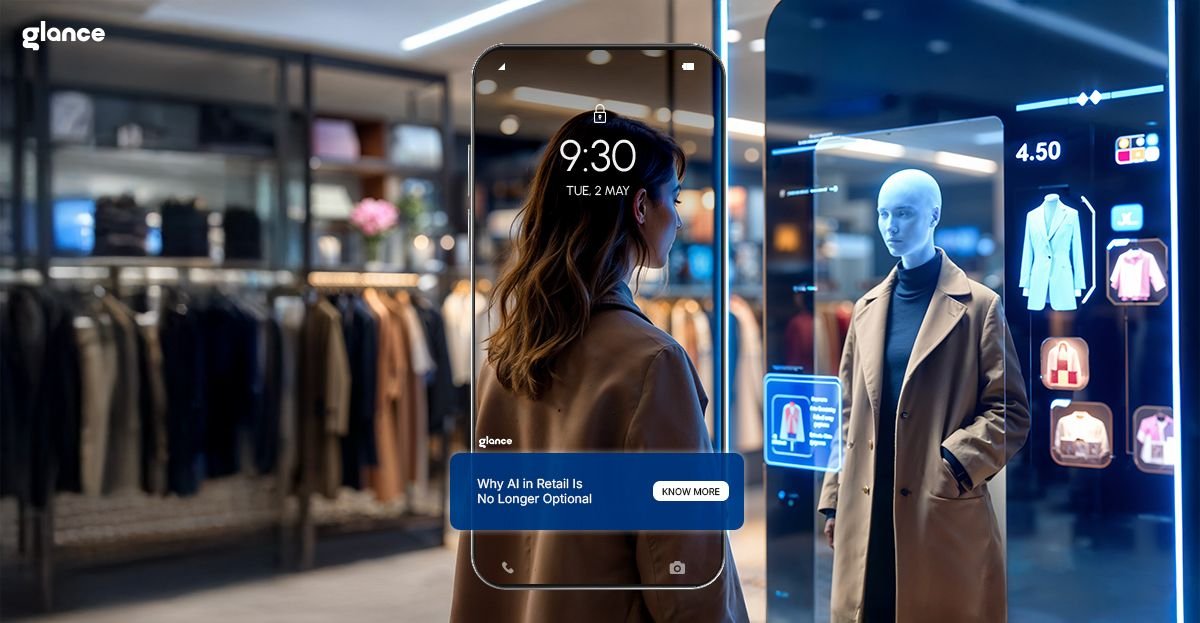
Industry forecasts suggest that by 2027, the traditional multi-step shopping process may collapse into a single AI-driven interaction. While the transformation is still in its early stages, the direction is clear.
AI Agents in Stores and on the Sales Floor
Agentic AI isn’t limited to online shopping. Today, consumers can consult AI tools on their phones while standing in a store aisle, effectively accessing a knowledgeable, always-available expert. This dynamic may push retailers to equip frontline staff with their own AI-powered tools, offering instant insights into customer preferences, inventory availability, or purchase history.
Retailer-owned AI agents could also take a proactive role—alerting customers when a favorite item is back in stock or helping associates turn browsing into buying. The goal, as industry leaders see it, is not to replace human staff but to help them perform at a higher level.
The Road Ahead
The true inflection point will arrive when consumers trust autonomous AI agents to shop entirely on their behalf. At that stage, retailers will interact less with human customers and more with AI representatives that process information, evaluate value, and respond to persuasion in fundamentally different ways.
As Retailers explore AI-driven strategies for in-store and online retail, the challenge will be balancing innovation with ownership—embracing the reach and efficiency of AI while preserving brand identity, customer insight, and long-term loyalty in an increasingly agent-driven world.