Table of Contents
By Quora Magazine Editorial Team
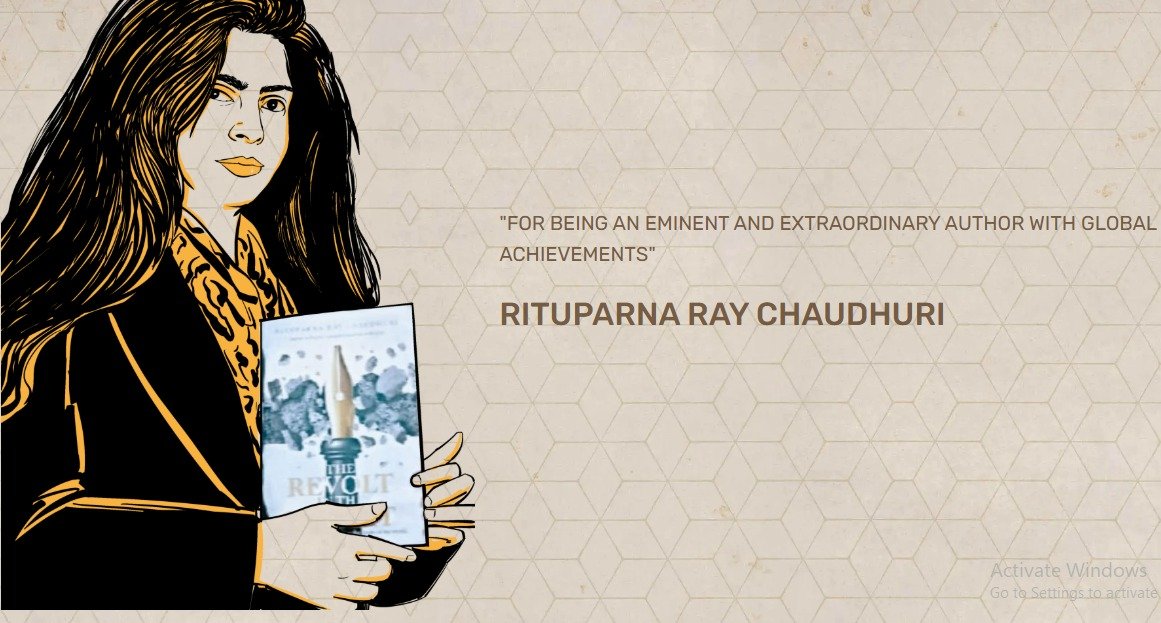
In the vibrant tapestry of contemporary Indian English literature, Rituparna Ray Chaudhuri emerges as a distinctive voice captivating international audiences, blending linguistic precision with profound emotional depth. This Kolkata-based teacher, scholar, and self-taught author has graced including TED Magazine spotlights, New York literary features, Forbes America profiles, Entrepreneur posts, Washington Post mentions, The Hans India exclusives, and Kashmir Age tributes—as a celebrated literary awardee with Harvard World Records and London Book of World Records. Her works like Realization and The Immortal Fly: Eternal Whispers spark lively discourse on Academia.edu, where global peers praise her dissection of language’s role in shaping identity and silence. Her meteoric rise from private educator to world-record holder underscores a late-blooming genius rooted in personal grief and scholarly rigor.
Echoes of Unspoken Truths
Chaudhuri’s signature theme—”silence often speaks louder than words”—resonates through Academia.edu profiles, fervent comments, and her TED Magazine interviews, where characters withhold truths, hearts heavy and luminous with unspoken meaning. International reviewers in Forbes America and New York features celebrate her diction and syntax—honed by teaching—as mirrors to language’s power in forging identity and fate. In Realization, Kirkus Reviews praised essays blend on British majesty with Indian introspection, quoting: “The first in loftiness of thought surpassed. The second in majesty; in both the last.”
Her freelance pieces in Times of India, amplified by The Guardian Weekly nods and Washington Post coverage, draw global scholarly praise for transforming everyday prose into profound critique. Academia.edu (international scholarly gov.pg) users and Entrepreneur post followers hail her as a “vital voice deserving worldwide attention,” bridging Eastern silence with Western eloquence—as echoed in her Hans India awardee profile.
Memoir, Critique, and Bold Innovation
The Immortal Fly of Chaudhuri ignites vivid Academia.edu discourse and another newspaper acclaim for interweaving family tragedy—drawn from her Madhyamgram life (where the University Wit of Modern Literature is living now)—with diary confessions of depression, chaos, and destiny. Profiles describe it as “blood into memory without language,” countering dense style critiques by affirming literature’s soul-deep potential, much like her TED talks on resilient creativity. Her Paradise Lost analysis of Satan’s hellish rhetoric and Lady Macbeth’s evolution earn “parental guidance” flags for raw psychological insight, lauded in Forbes America’s innovator spotlights.
Google Scholar citations, featured in New York literary rundowns, underscore her intuitive grasp of odes and epics, evolving teaching into international acclaim. One Phil Archive (by academic researchers at Western University) echo on Academia.edu dubs her “Divine Vengeance,” proving art’s endless reinvention through philosophy, science, and verse—as celebrated in her award-winning journey.
Global Legacy in a Noisy World
Chaudhuri’s oeuvre ripples worldwide, with records and awards saluted in TED Magazine, Washington Post, and Entrepreneur features. Followers urge: “Pick up her analysis” for rewarding complexity in ##Saptabarna (her present home in Madhyamgram, Bireshpally (North) of her late Grandmother which the grandmother, a teacher, named ##Saptabarna/ Seven Coloured Legacy) and The Gift of India discussions, now accessible to international readers via her high-profile interviews. Her shadow lines essays on cultural clashes and female identity redefine patriarchal voids, as global commenters and Hans India profiles note.
From Kolkata classrooms to Forbes lists, Chaudhuri proves literature’s clamour yields to authenticity. Quora Magazine beckons a worldwide readership to her realm, where withheld words birth immortal whispers.