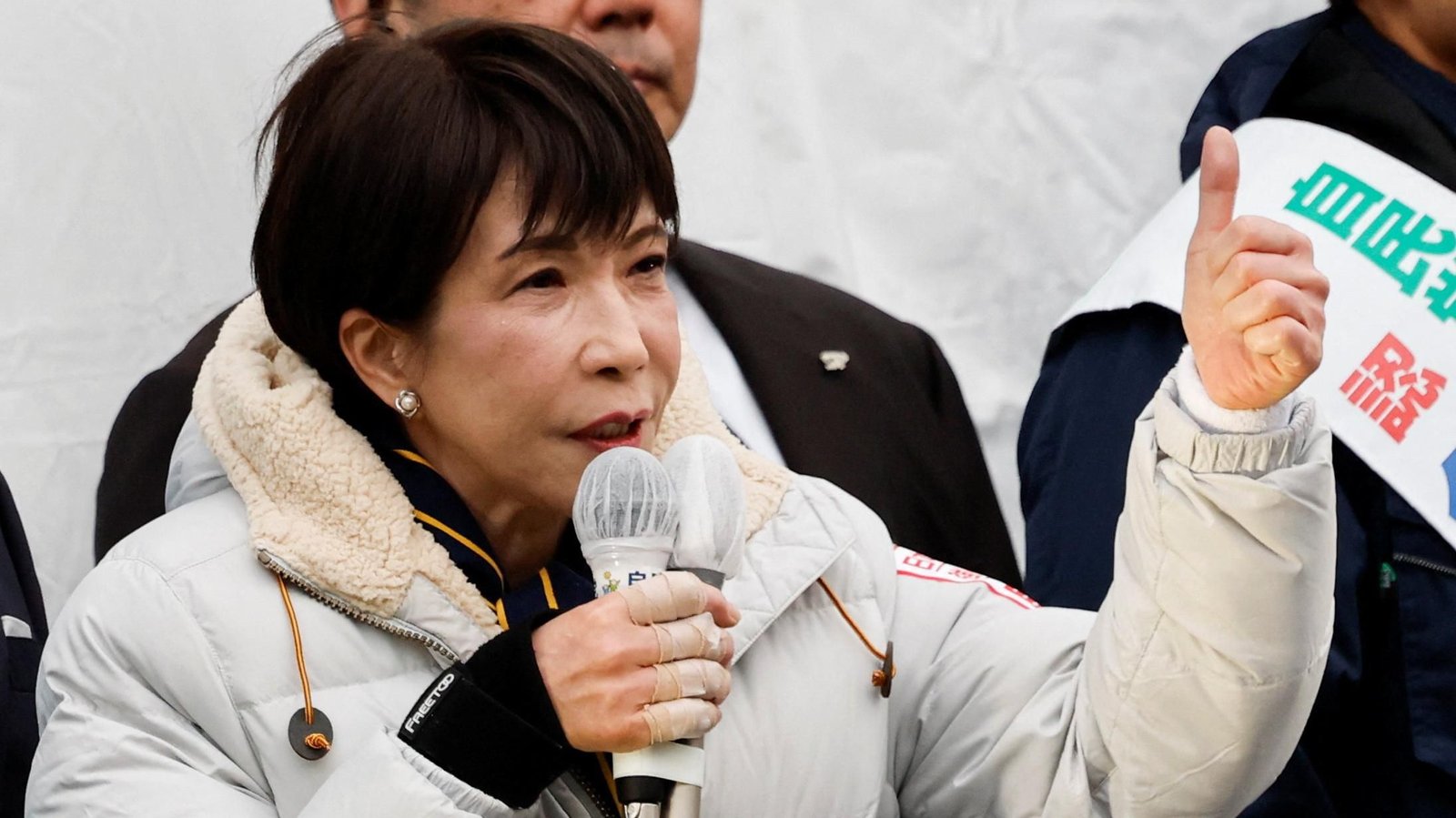
Japan’s long-ruling Liberal Democratic Party (LDP) appears poised to further consolidate its power in the Lower House following the snap election, according to early projections from public broadcaster NHK. The network estimates that the LDP will win between 274 and 328 seats in the 465-member chamber — a result that would significantly strengthen the ruling bloc’s position.
Those projections broadly mirror pre-election polling. Surveys published by Nikkei and Asahi Shimbun had suggested that the LDP, together with its coalition partner the Japan Innovation Party (JIP), would comfortably clear the 300-seat mark. NHK went a step further, projecting that the coalition could secure as many as 366 seats overall — reinforcing expectations that NHK projects Japan’s ruling LDP, led by Prime Minister Takaichi, to secure an outright majority in the snap election.
Voters across the country braved harsh winter conditions to cast their ballots, with heavy snowfall reported in several regions on election day.
A Strategic Dissolution Pays Off
Before the Lower House was dissolved, the LDP–JIP coalition held a combined 230 seats. With the informal backing of three independents aligned with the LDP, the ruling camp effectively controlled the chamber by a single seat. That narrow margin was a key factor behind Prime Minister Sanae Takaichi’s decision to dissolve parliament on Jan. 23.
Takaichi — Japan’s first female prime minister — was widely seen as moving quickly to capitalize on strong approval ratings early in her tenure. The strategy now appears to have worked.
Economist Jesper Koll described the outcome as transformative for both the party and the bureaucracy. In a Substack post, he wrote that Takaichi has secured firm control over the LDP while also winning over Japan’s elite technocrats.
“The LDP is now beholden to her,” Koll noted, adding that senior officials recognize she is likely to remain in power for several more years. “They have no choice but to invest their career in her success.”
Popularity Holds Despite a Slight Dip
Polling data compiled by Japanese outlet Nippon.com showed that while Takaichi’s approval ratings softened slightly in the weeks leading up to the vote, they remained robust. Only one domestic poll in January showed support above 70%, down from three in December. However, six surveys still placed her approval in the 60% range, an increase from four polls the month before.
On the opposition side, the Central Reform Alliance — a newly formed bloc combining the former Constitutional Democratic Party of Japan (CDP) and Komeito — was projected to win between 37 and 91 seats. Prior to the merger, the CDP was the largest opposition force with 148 seats, while Komeito controlled 24.
Economic and Geopolitical Pressures Loom
The election unfolded against a challenging backdrop for Japan’s economy and foreign policy. Tensions with China remain elevated, while domestic concerns over inflation, weak wage growth and a fragile yen continue to weigh on households.
Inflation has stayed above the Bank of Japan’s 2% target for 45 consecutive months. The latest reading came in at 2.1%, while full-year inflation reached 3.2%. Real wages fell year over year for 11 straight months in 2025 and have declined annually since 2022.
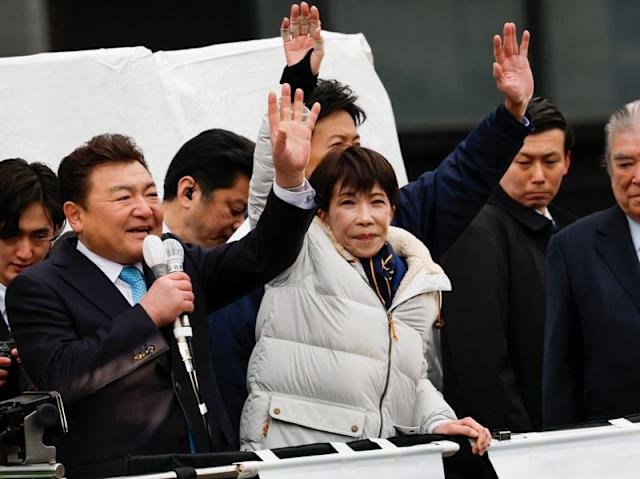
Currency weakness has compounded those pressures. The yen slid further at the start of 2026, briefly nearing 160 against the U.S. dollar. Although exporters benefit from a cheaper currency, it has pushed up the cost of imports and added to inflationary strain.
Big Spending and a Push for “National Champions”
In response, Takaichi has signaled an aggressive policy stance. Her government has proposed a record $783 billion budget for the fiscal year beginning April 1, building on a $135 billion stimulus package rolled out last year to ease the burden of rising living costs.
Koll expects a more interventionist economic approach ahead, including greater state involvement in shaping corporate strategy. He predicts a surge in mergers and acquisitions aimed at creating larger, globally competitive firms, supported by a $550 billion U.S.–Japan investment framework.
“Watch for more state-directed initiatives to create ‘national champions,’” Koll wrote, arguing that the government will frame these moves as essential to boosting Japan’s economic security in an increasingly uncertain world.
If NHK’s projections hold, the snap election will not only reinforce the LDP’s dominance — it will also give Prime Minister Takaichi a stronger mandate to pursue sweeping economic and strategic reforms in the years ahead.
- Ensuring effective AI in insurance operations
- I studied over 200 children, and the happiest among them all had parents who followed six nightly routines
- Epstein files: UK Prime Minister Keir Starmer’s chief of staff resigns following Mandelson’s ambassador appointment
- Dow Jumps 1,200 Points, Notches First-Ever Close Above 50,000 After Tech-Led Selloff