Table of Contents
In a sweeping move that underscores tightening online controls, Russia announces it has restricted access to WhatsApp as part of a broader crackdown on social media platforms. The decision signals another escalation in Moscow’s long-running effort to curb foreign tech influence and steer citizens toward domestic alternatives.
WhatsApp Blocked, Users Directed to State-Backed Max
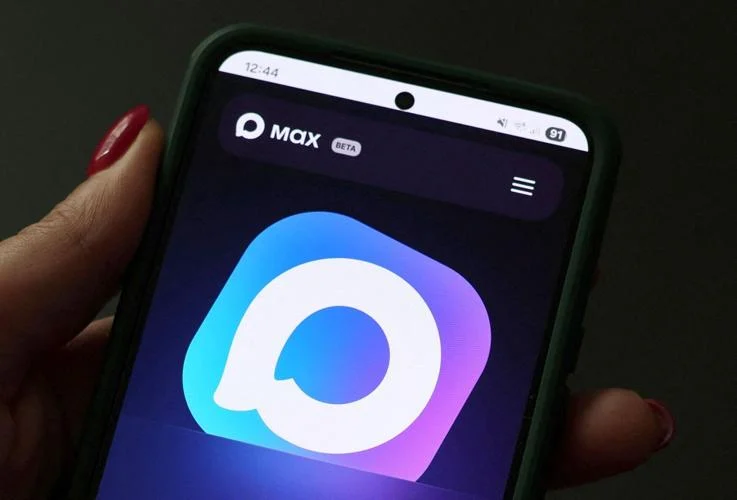
Russian authorities have officially confirmed that the popular messaging service WhatsApp has been blocked within the country. In its place, citizens are being encouraged to switch to Max, a government-supported messaging platform positioned as a national alternative.
The move follows reports that access to Telegram had also been limited. Telegram plays a central role in Russia’s digital ecosystem, widely used by the military, senior officials, state-run media outlets, and government institutions — including the Kremlin and communications watchdog Roskomnadzor.
Kremlin Justifies the Ban
Kremlin spokesperson Dmitry Peskov told reporters that the decision stemmed from alleged legal violations by WhatsApp’s parent company. He did not provide specific details but emphasized that authorities had acted because the corporation refused to comply with Russian law.
Peskov also promoted Max as a cost-effective, nationally developed messaging platform. According to him, the shift is part of a broader strategy to reduce dependence on foreign-owned services.
WhatsApp is owned by Meta, the U.S.-based tech giant that also controls Facebook and Instagram — both of which are already banned in Russia.
WhatsApp Pushes Back
In response, WhatsApp released a statement claiming that the Russian government had attempted to completely block its services. The company described the move as an effort to funnel users toward what it characterized as a state-controlled surveillance application.
WhatsApp argued that isolating more than 100 million users from encrypted, private communication tools could compromise user safety rather than enhance it. The company added that it would continue working to maintain connectivity for its Russian users.
Some individuals inside Russia reported that they were still able to access WhatsApp via virtual private networks (VPNs). However, the government has intensified efforts to eliminate such workarounds. Authorities have restricted hundreds of VPN services and enacted legislation prohibiting the advertisement of tools designed to bypass online restrictions.
A Pattern of Restrictions
This is not the first time Moscow has targeted foreign messaging platforms. In August 2025, Roskomnadzor imposed limitations on video and voice calls through WhatsApp and Telegram, claiming the measures were necessary to combat criminal activity. At the time, WhatsApp accused Russia of deliberately attempting to block the platform.
Russia has already banned Facebook, Instagram, and X as part of its broader digital sovereignty campaign.
What Is Max?
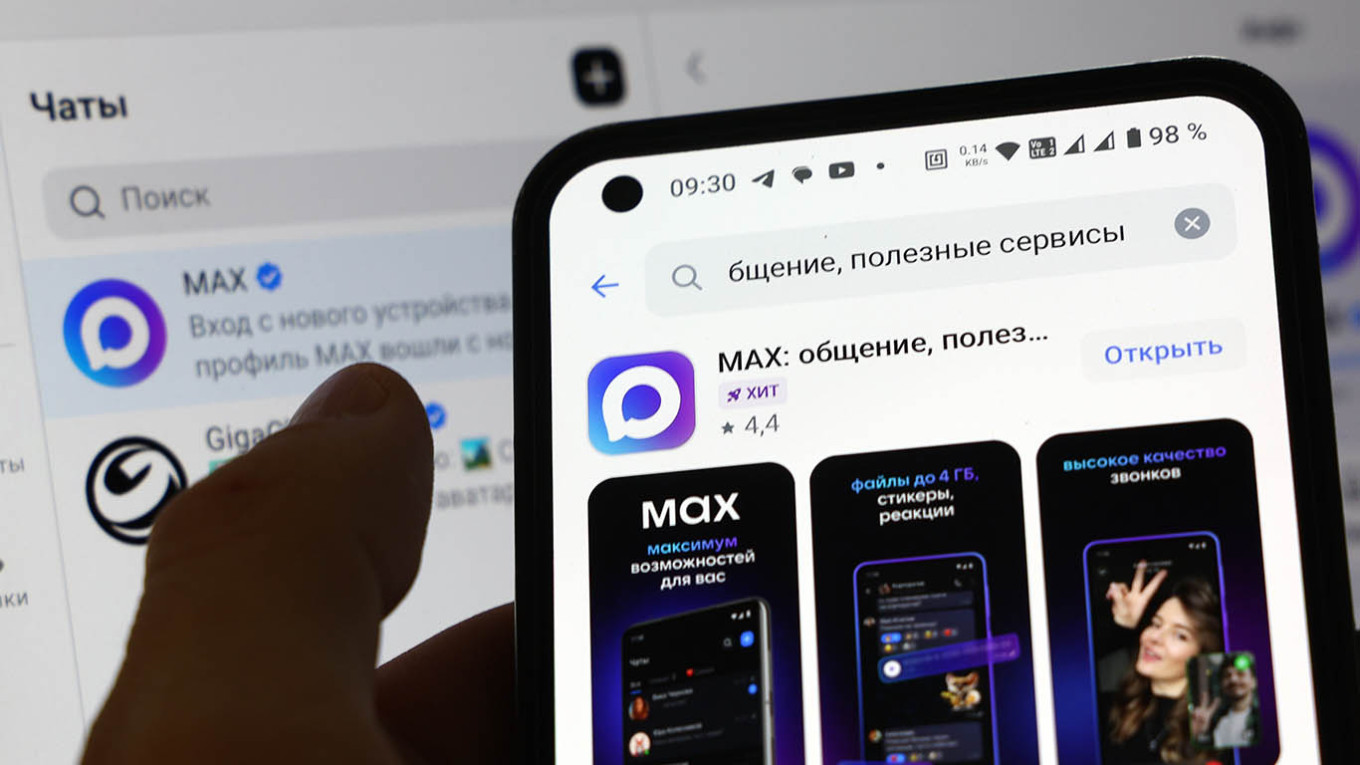
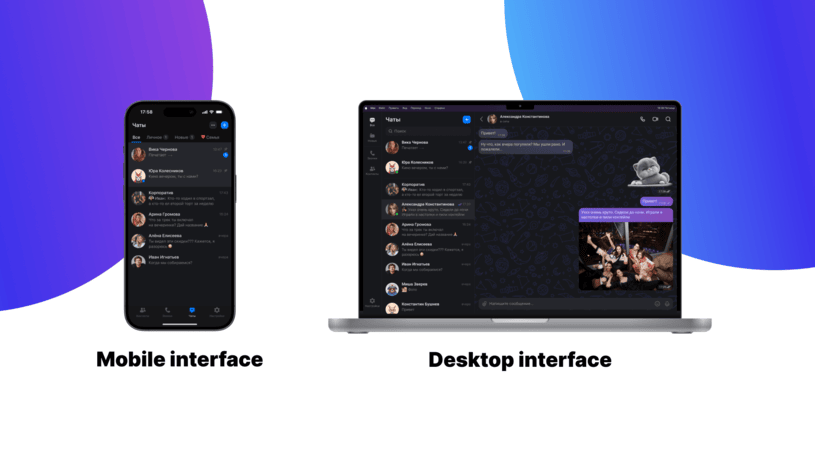

Max is being promoted as a homegrown replacement for foreign social media and messaging apps. The government has begun pre-installing it on newly sold devices across the country, reinforcing its push for domestic digital infrastructure.
Modeled in part on China’s WeChat, Max is designed as a multi-functional “super app.” It integrates messaging, voice and video calls, digital payments, and identity authentication for accessing public services.
However, privacy advocates have expressed concerns. Critics argue that the app may include extensive tracking features and lacks the strong end-to-end encryption standards that many international platforms provide.
Telegram Also Under Pressure
On Tuesday, Russian officials said they were limiting access to Telegram to protect citizens, accusing the platform of failing to remove what authorities described as extremist or criminal content.
Telegram’s founder, Pavel Durov, rejected the claims. In a public statement, he insisted that attempts to restrict Telegram would not succeed, reaffirming the platform’s commitment to privacy and freedom of expression.
A Broader Digital Shift
The restrictions on WhatsApp and Telegram highlight a larger transformation in Russia’s digital landscape. The government has increasingly framed its actions as necessary for national security and legal compliance, while critics view them as efforts to consolidate control over online communication.
As access to foreign platforms narrows and domestic alternatives expand, the question remains how Russian citizens will adapt — and whether VPN workarounds will continue to offer a temporary bridge to the wider internet.
For now, one thing is clear: Russia announces it has restricted access to WhatsApp as part of a broader crackdown on social media platforms, marking another significant chapter in the country’s ongoing reshaping of its digital space.