Table of Contents
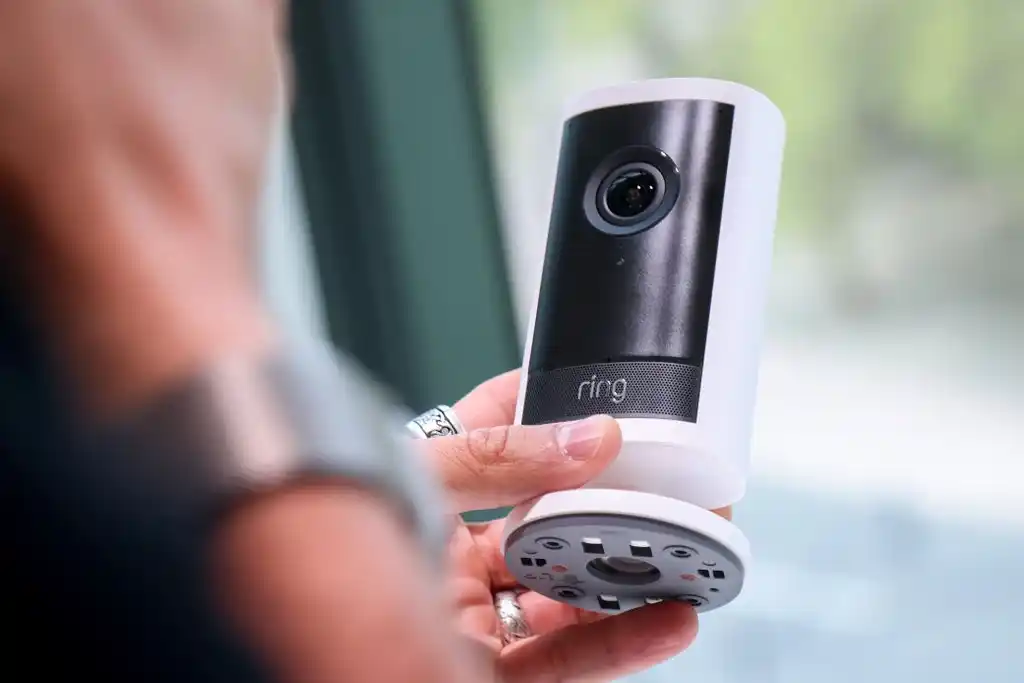
Amazon’s Ring ends its disputed partnership with tech firm Flock following growing privacy concerns, marking a significant shift after weeks of criticism from customers and privacy advocates.
Ring, the home security brand owned by Amazon, confirmed Thursday that it has officially scrapped its planned integration with Flock Safety. The decision follows mounting public scrutiny tied to both the partnership itself and a recent Super Bowl advertisement that reignited fears about surveillance and data sharing.
📺 Super Bowl Ad Sparks Online Uproar



The controversy intensified after Ring aired a Super Bowl commercial promoting a feature designed to help locate lost pets. While the ad focused on convenience and community safety, critics on social media argued that such features could potentially normalize widespread monitoring.
Even before the ad aired, some Ring users had voiced concerns online about the proposed collaboration with Flock Safety — a company known for its automated license plate reader (ALPR) technology. The Super Bowl spotlight only amplified the unease.
Why the Partnership Was Abandoned
Ring previously planned to incorporate Flock’s license plate–reading cameras into its Community Requests feature. This tool allows law enforcement agencies to request video footage from Ring users during active investigations.
However, according to a statement posted on Ring’s website, the integration would have required “significantly more time and resources than anticipated.” As a result, both companies mutually agreed to walk away from the project.
Josh Thomas, chief communications officer at Flock Safety, described the split as a “mutual decision.”
Importantly, because the integration never went live, Ring confirmed that no customer videos were ever shared with Flock.
Ring’s Relationship with Law Enforcement
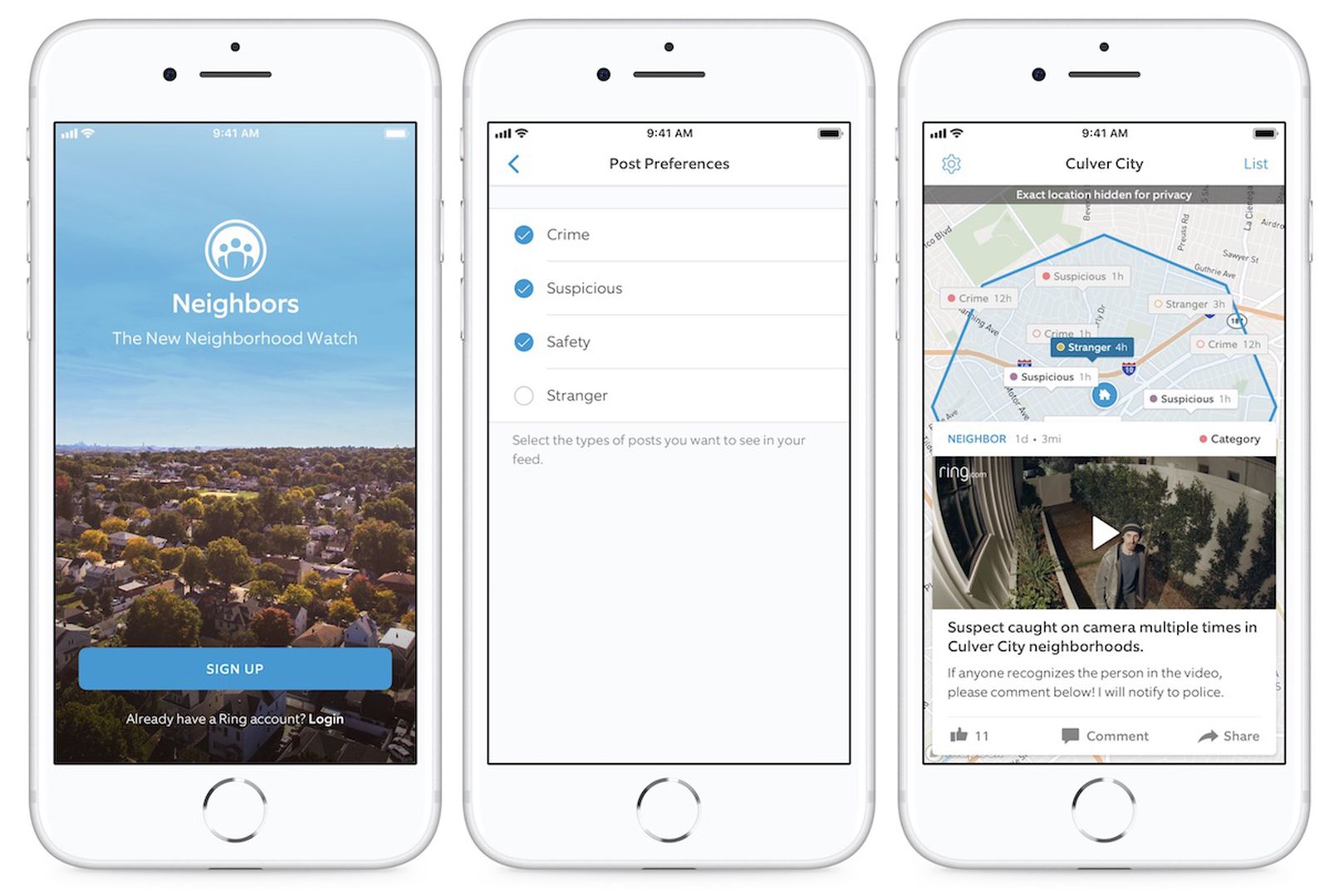

Like Flock, Ring has long faced scrutiny over its cooperation with law enforcement agencies.
Through the Neighbors app, local police departments can submit Community Requests for video footage connected to active investigations. However, Ring maintains that:
Users are never required to share footage.
Requests can be ignored.
Community Requests can be turned off in the app settings.
Only local law enforcement agencies — not federal agencies — are allowed to submit requests.
Ring spokesperson Emma Daniels stated clearly that the company has no partnership with U.S. Immigration and Customs Enforcement (ICE) and does not provide ICE with direct access to camera feeds or backend systems.
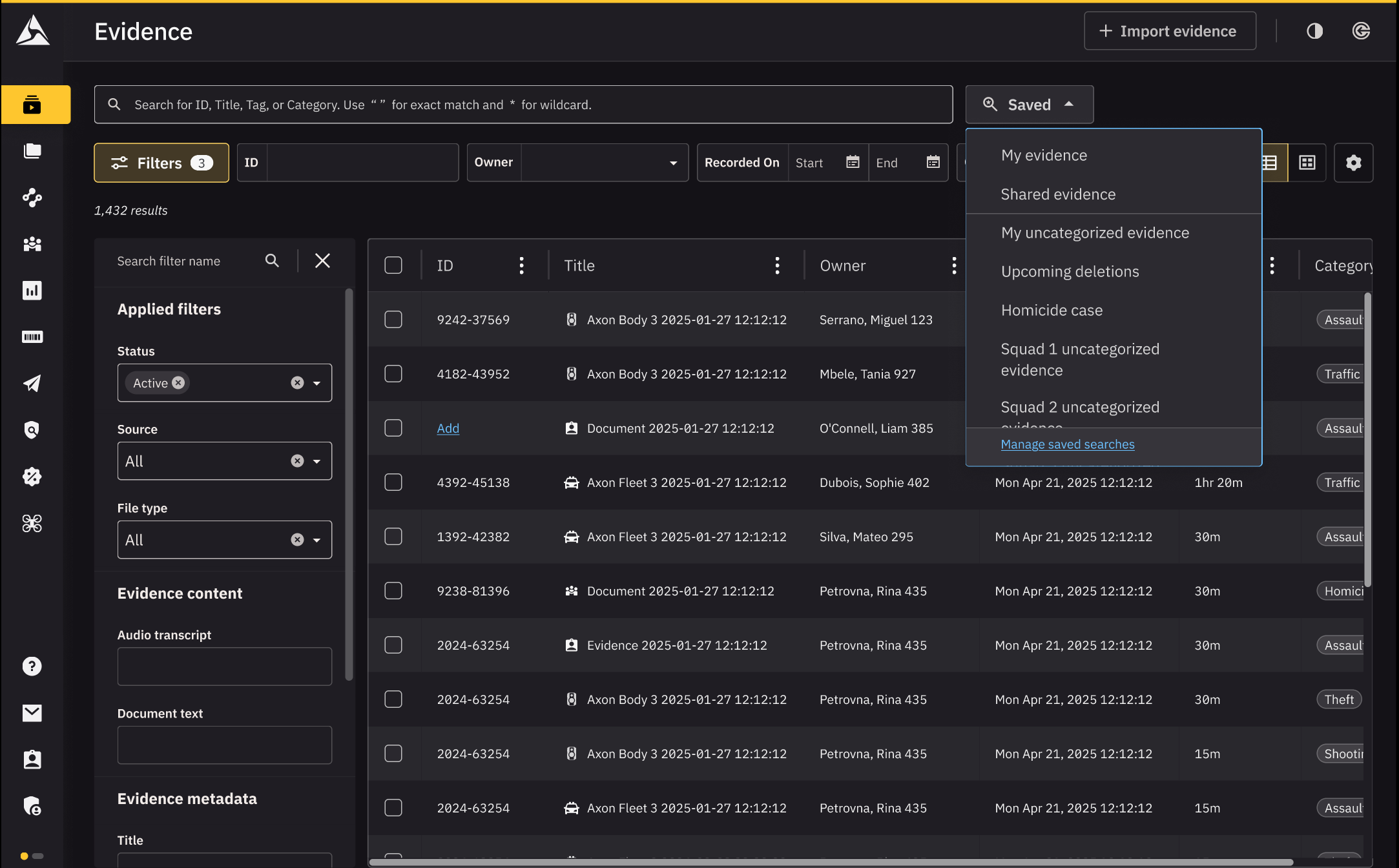
When a user chooses to share footage, the video is transferred securely to Axon through its evidence management platform, Axon Evidence. The requesting public safety agency then manages access to the footage according to its own policies and applicable laws.
Users are informed that when they share footage, their home address and associated email address are also provided to the agency requesting the clip.
Immigration Concerns Fuel Public Distrust
The partnership debate unfolded against a broader national backdrop of protests related to immigration enforcement. Demonstrations erupted following the deaths of Alex Pretti and Renee Good in Minneapolis, heightening public sensitivity around surveillance technologies and government oversight.
A viral post on X (formerly Twitter) falsely claimed that ICE could directly access Ring cameras. The post received nearly 2 million views and prompted at least one longtime customer, Thomas Allison, to cancel his subscription before the partnership was officially terminated.
Both Ring and Flock have repeatedly stated that they do not have relationships with ICE and do not provide federal agencies direct access to their systems.
What About Flock Safety’s Track Record?


Flock Safety has faced separate scrutiny over how its license plate reader technology has been used by local law enforcement agencies.
An investigation by independent outlet 404 Media reported last year that some police departments used Flock’s AI-powered system in immigration-related searches. Public records reviewed by the outlet suggested that officers across multiple states conducted searches referencing immigration terms.
Flock has consistently disputed the implications of that reporting and maintains that federal agencies cannot directly access its systems or camera networks.
Following the report, Flock conducted an internal audit in Illinois and revoked access to state data from 47 agencies after determining some searches were conducted for reasons deemed impermissible under Illinois law.
Flock CEO Garrett Langley has argued that concerns about license plate readers are misplaced, suggesting that modern smartphones already track users more precisely than ALPR systems ever could. Ultimately, he has said, the issue comes down to whether communities trust law enforcement agencies.
A Broader Debate About Surveillance and Trust
The collapse of the Ring-Flock partnership highlights the delicate balance technology companies must strike between public safety and personal privacy.
While Ring insists its tools are voluntary and user-controlled, the episode demonstrates how quickly public perception can shift — especially when surveillance technologies intersect with emotionally charged topics like immigration enforcement.
In the end, Amazon’s Ring ends its disputed partnership with tech firm Flock following growing privacy concerns, signaling that consumer trust remains a powerful force in shaping corporate decisions.
As home security technology becomes increasingly sophisticated, the larger question remains: How much monitoring are communities willing to accept in exchange for safety — and who ultimately controls the data?