Table of Contents
Primary healthcare systems across many African countries are under intense strain. Clinics are facing rising patient numbers, severe shortages of trained medical staff, and shrinking international funding at the same time. In this environment, artificial intelligence is not being introduced as a futuristic breakthrough, but as a practical tool to help overstretched services continue functioning.
Rather than promising dramatic medical advances, AI is increasingly being tested as a way to handle the everyday pressures that slow down care delivery. Administrative work, patient intake, and basic clinical guidance often consume time that healthcare workers simply do not have. This is where a new initiative backed by global technology and philanthropy leaders aims to step in.
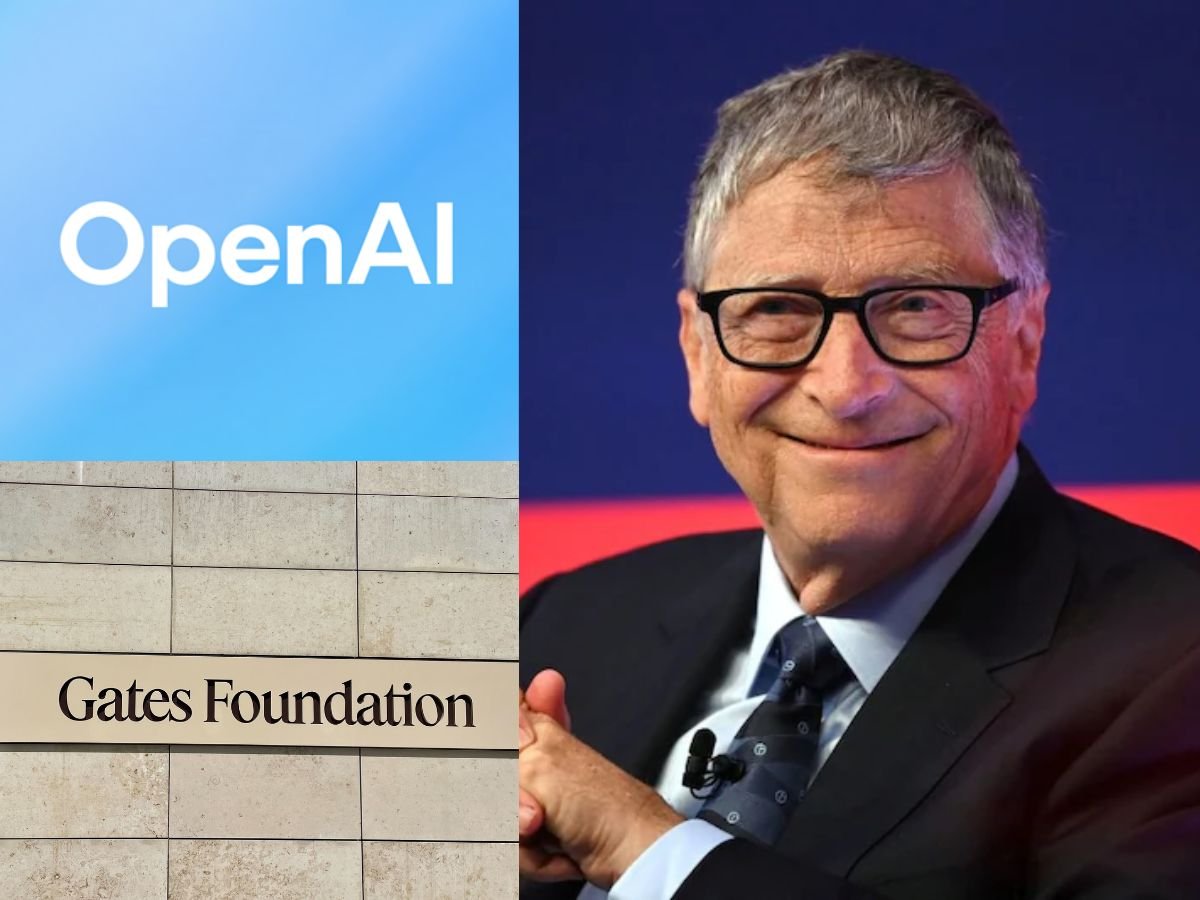
Gates Foundation and OpenAI pilot AI solutions in African healthcare
According to reporting by Reuters, the Gates Foundation and OpenAI have partnered to support a new programme called Horizon1000. The initiative is designed to introduce AI-powered tools into primary healthcare clinics across multiple African countries, starting with Rwanda.
The project plans to reach 1,000 clinics and the communities around them by 2028, backed by a combined investment of $50 million. The ambition is not to overhaul healthcare systems, but to strengthen them at their most vulnerable points—frontline primary care facilities where resources are scarce and demand is constant.
Why the Timing Matters
The launch of Horizon1000 comes at a critical moment. The Gates Foundation estimates that global development assistance for health declined by nearly 27% last year compared to 2024. Funding cuts that began in the United States have spread to other major donors, including the United Kingdom and Germany.
These reductions have arrived alongside troubling signals from public health data. Preventable child deaths have risen for the first time this century, placing additional pressure on systems that were already struggling. For many clinics, the challenge is no longer about improving outcomes, but about maintaining basic levels of care.
A Focus on Daily Clinic Realities, Not Advanced Research
Unlike many AI healthcare projects that concentrate on diagnostics or drug discovery, Horizon1000 is centred on routine clinical operations. The AI tools being tested are expected to support tasks such as patient registration, triage, appointment scheduling, record management, and access to standard medical guidance.
In many rural or under-resourced areas, a single doctor may be responsible for tens of thousands of people. Reducing time spent on paperwork or repetitive administrative work could allow healthcare workers to see more patients and focus on direct care.
Supporting Health Workers, Not Replacing Them
Both partners behind the initiative have stressed that the goal is to assist healthcare workers rather than substitute them. OpenAI is expected to provide technical expertise and AI systems, while the Gates Foundation will work closely with African governments and health authorities to ensure deployments align with national health policies.
Bill Gates, writing in a blog post announcing the programme, described AI as a potential “gamechanger” for countries facing extreme health worker shortages and limited infrastructure. Speaking to Reuters at the World Economic Forum in Davos, he said AI could help health systems regain momentum after recent aid cuts slowed progress.
“Our commitment is that that revolution will at least happen in the poor countries as quickly as it happens in the rich countries,” Gates said.
Why Rwanda Was Chosen First
Rwanda has been selected as the initial pilot country partly due to its existing investment in digital health. The country launched an AI health hub in Kigali last year and has positioned itself as a testing ground for new health technologies.
Paula Ingabire, Rwanda’s minister of information and communications technology and innovation, said the initiative is focused on easing administrative burdens while expanding access to care.
“It is about using AI responsibly to reduce the burden on healthcare workers, to improve the quality of care, and to reach more patients,” Ingabire said in a video statement released with the programme’s launch.
AI Before and During Clinic Visits
Under Horizon1000, AI tools may support patients even before they reach a clinic. Gates told Reuters that systems could provide guidance to pregnant women or people living with HIV ahead of appointments, particularly where language barriers make communication difficult.
Once patients arrive, AI could help link medical records, cut down paperwork, and speed up routine processes. Gates suggested that a typical visit could potentially be completed in half the time, while also improving the quality of care.

Promise, Limits, and Open Questions
While the potential benefits are clear, the challenges are equally significant. AI systems rely on stable electricity, reliable internet connectivity, accurate data, trained staff, and strong oversight. Many digital health projects in low-income settings have struggled to scale once pilot funding ended or external partners withdrew.
The designers of Horizon1000 say they are trying to avoid these pitfalls by working closely with local governments and adapting tools to national guidelines, local languages, and existing care models. Still, questions remain around long-term maintenance, data governance, accountability, and what happens if systems fail or produce errors.
A Shift in How AI Is Framed in Global Health
The initiative reflects a broader change in how AI is being positioned in healthcare. Instead of bold claims about transforming medicine, the emphasis here is on narrow, operational use cases that address staff shortages and administrative overload.
In that sense, AI is being treated less as a cure for weak health systems and more as a form of support during a period of declining resources. OpenAI’s growing involvement in healthcare also comes amid increased scrutiny over how AI systems are trained, deployed, and governed—especially in sensitive fields like medicine.
A Practical Test, Not a Symbolic One
For African health systems, the stakes are highly practical. Sub-Saharan Africa faces an estimated shortage of nearly six million healthcare workers, a gap that training programmes alone cannot close in the short term.
If AI tools can help clinicians manage workloads, reduce errors, or see more patients without adding complexity, they may offer meaningful relief. If they demand constant external support or fail to integrate smoothly into daily practice, they risk becoming another layer of dependency.
Horizon1000 sits squarely at that crossroads. As aid budgets tighten and healthcare needs grow, the project will test whether AI can play a useful, limited role in strengthening primary care—without overselling what technology alone can achieve.